

UMKT BRAD Conducts Internal Sustainability Monitoring to Strengthen Campus Environmental Management
Author: Rabiatul Adawiyah
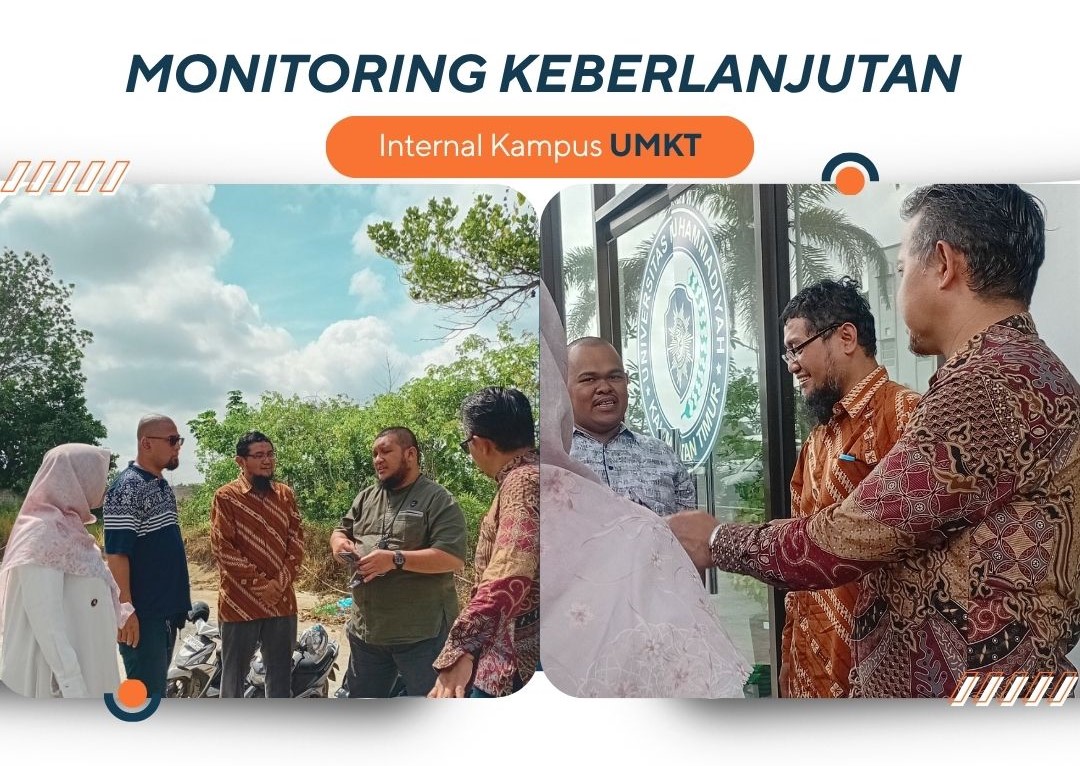
Universitas Muhammadiyah Kalimantan Timur (UMKT), through its Reputation and Data Analytics Unit (BRAD), conducted an internal sustainability monitoring activity as part of its ongoing efforts to evaluate and strengthen the implementation of sustainability initiatives across the university.
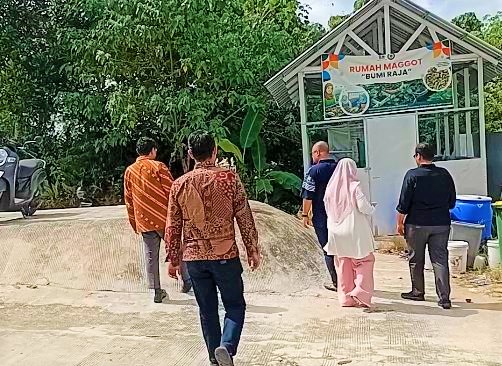
The activity began with a visit to the UMKT Maggot House, one of the university's flagship initiatives for organic waste management. By utilizing Black Soldier Fly (BSF) larvae, organic waste is processed into valuable products, helping to reduce waste generation while supporting the principles of a circular economy.
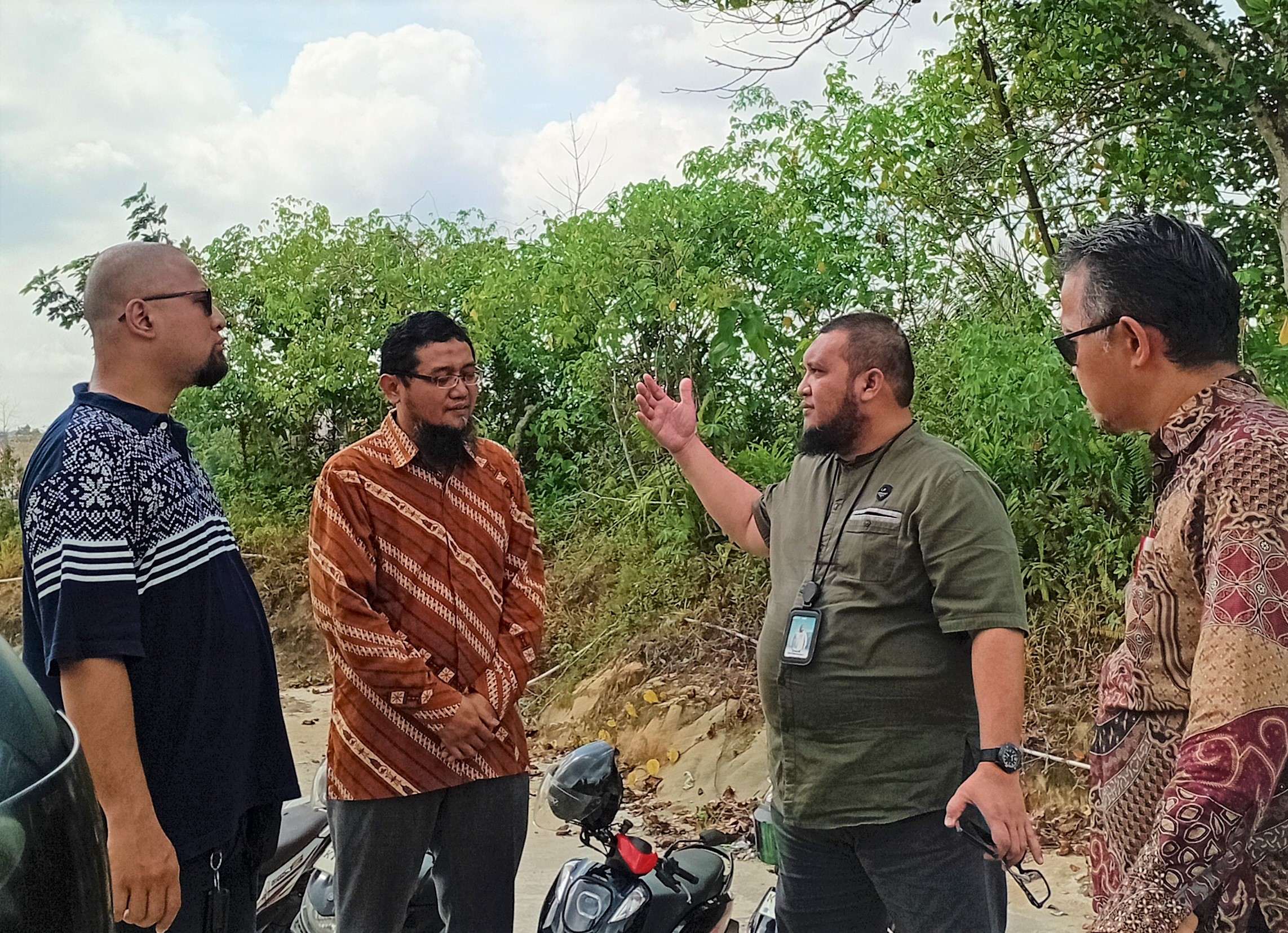
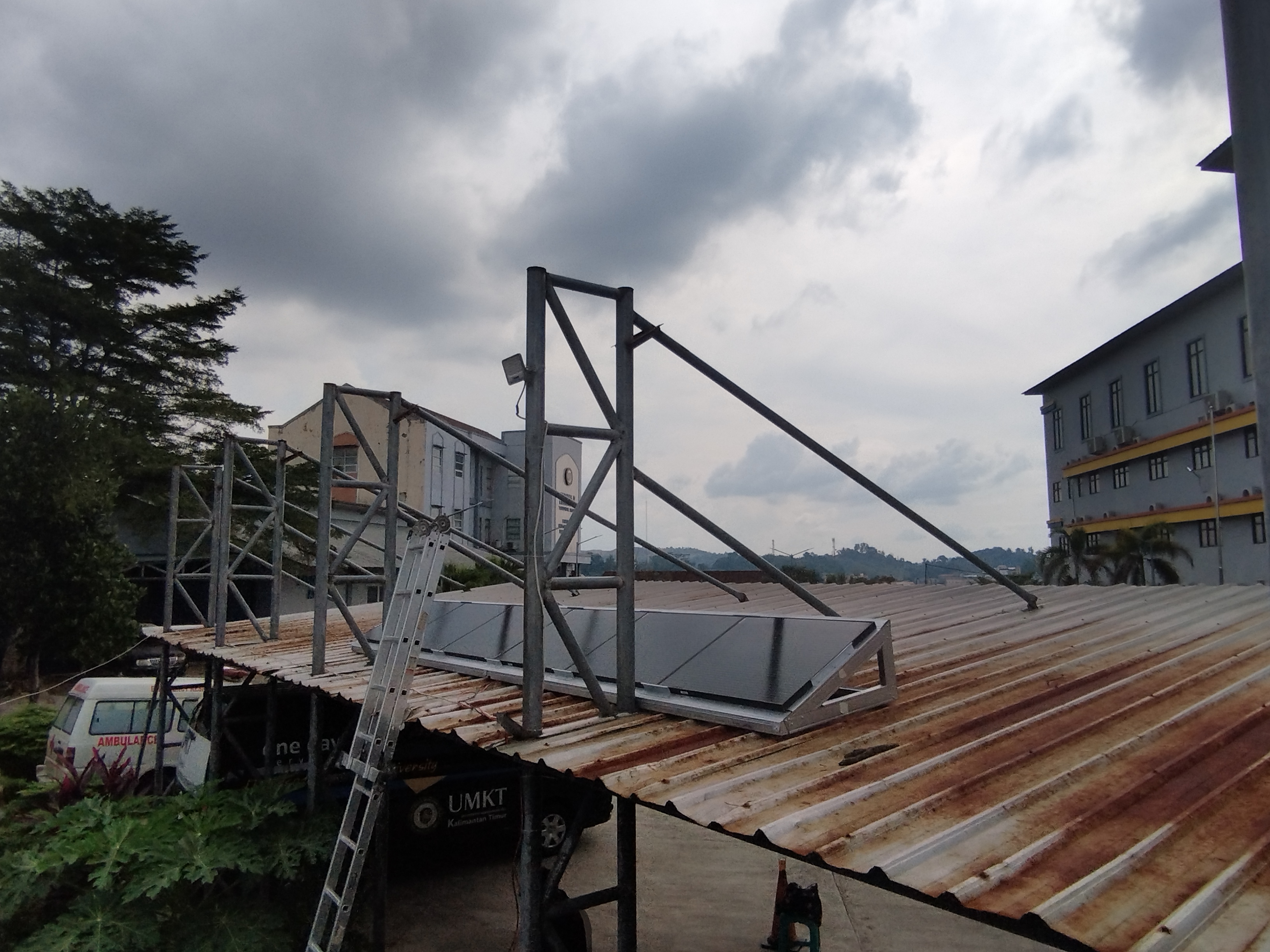
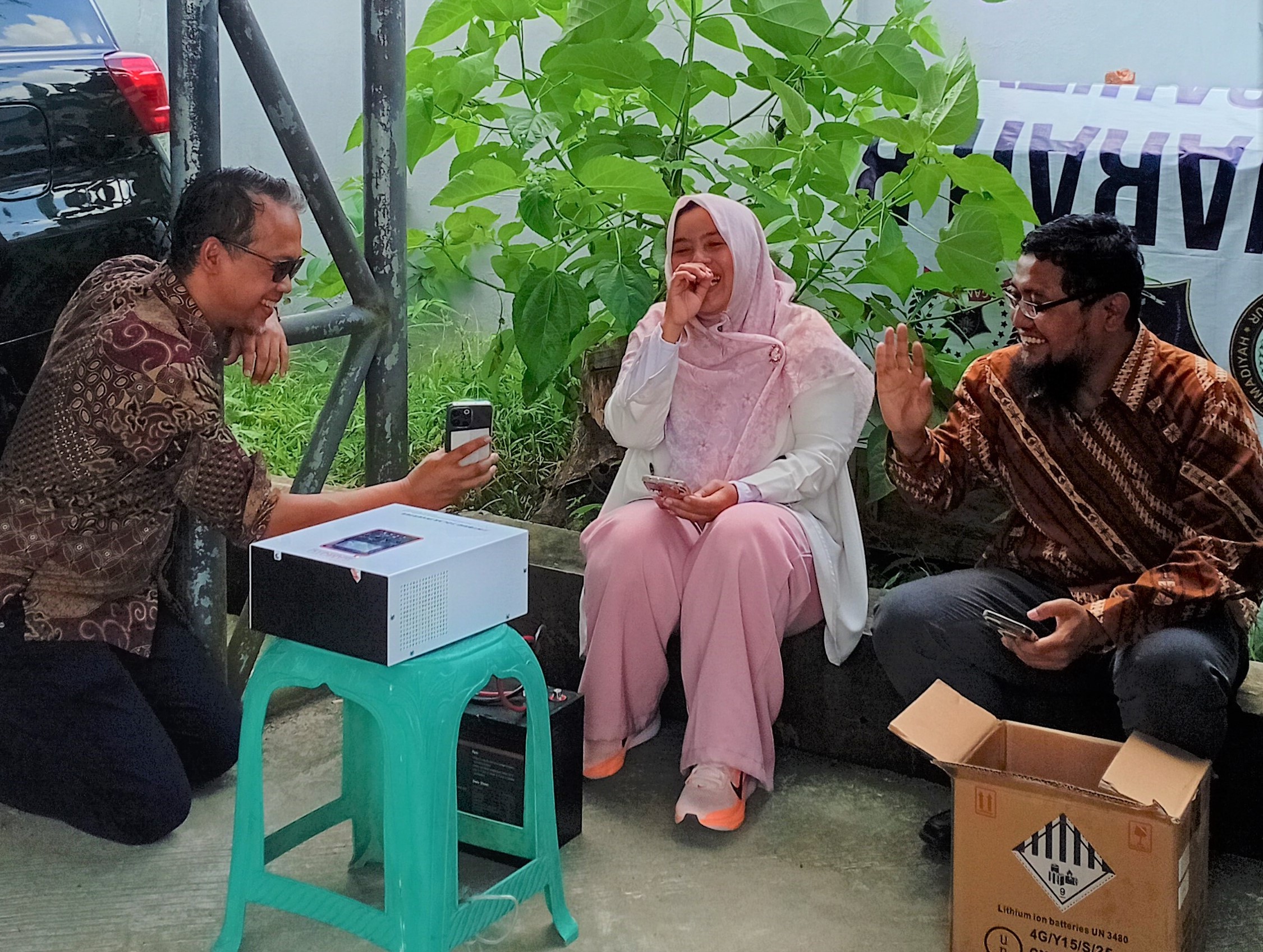
The monitoring team also inspected the campus solar panel installation, which serves as one of UMKT's renewable energy sources. The visit aimed to assess the condition and utilization of the facility, as well as its contribution to improving energy efficiency and reducing carbon emissions within the campus environment.
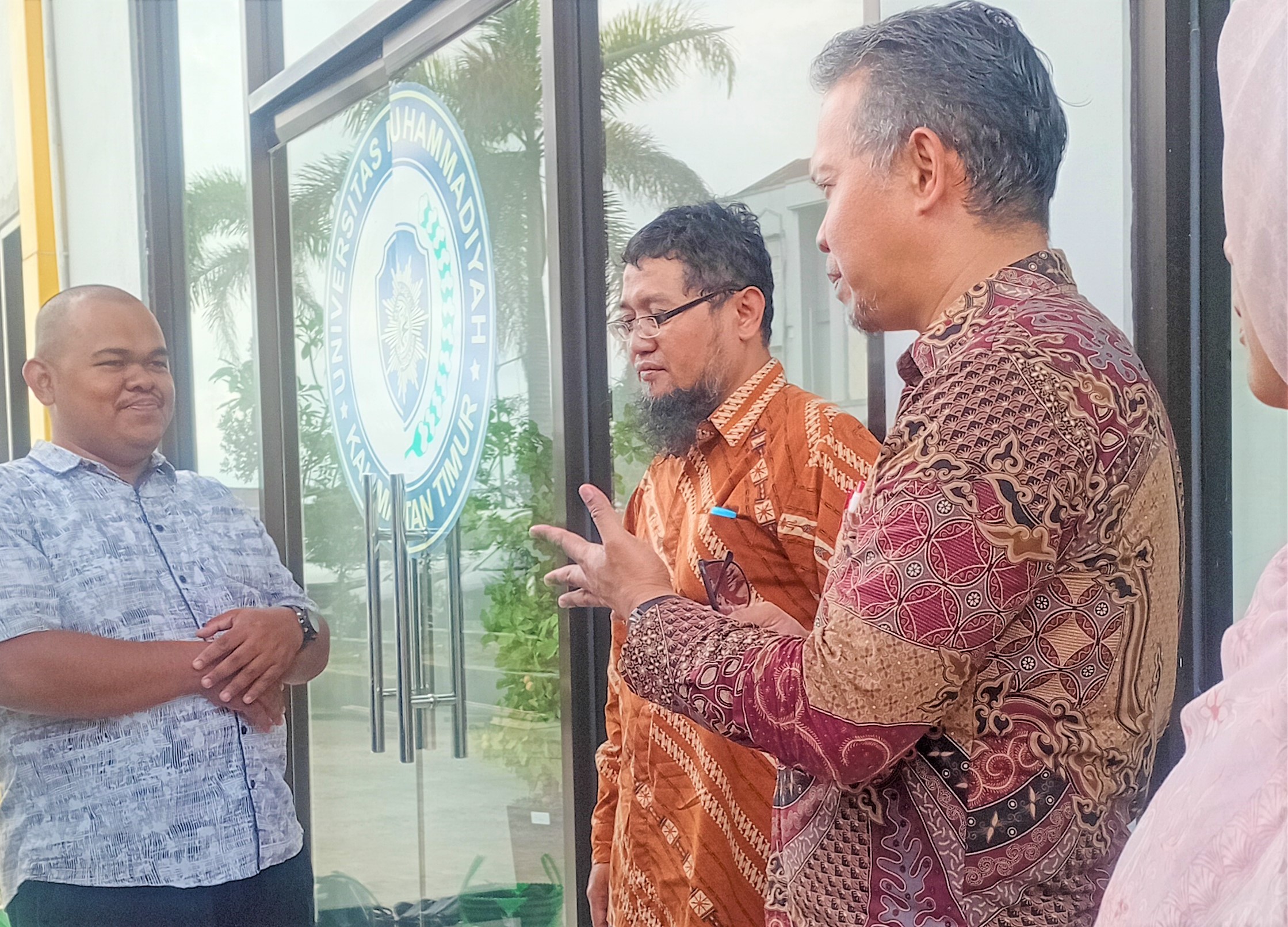
In addition to the field observations, the activity included discussions on various aspects of campus environmental management. Topics covered included strengthening sustainability programs, enhancing environmentally friendly infrastructure, and identifying opportunities to further improve sustainable practices in line with UMKT's commitment to becoming a leading sustainable university.
This monitoring activity forms part of UMKT's continuous evaluation process to ensure that sustainability initiatives are effectively implemented and deliver meaningful environmental impacts. The findings will serve as valuable input for developing future sustainability strategies and reinforcing the university's long-term commitment to environmental stewardship.
Through cross-unit collaboration and continuous improvement, UMKT remains dedicated to creating a greener, more innovative, and environmentally responsible campus. These efforts contribute directly to the achievement of the United Nations Sustainable Development Goals (SDGs), particularly in the areas of Affordable and Clean Energy (SDG 7), Sustainable Cities and Communities (SDG 11), Responsible Consumption and Production (SDG 12), Climate Action (SDG 13), and Partnerships for the Goals (SDG 17).