

Without Stigma, Without Fear: Building a Safe Space for HIV Education
Author: Raisha Azzahro
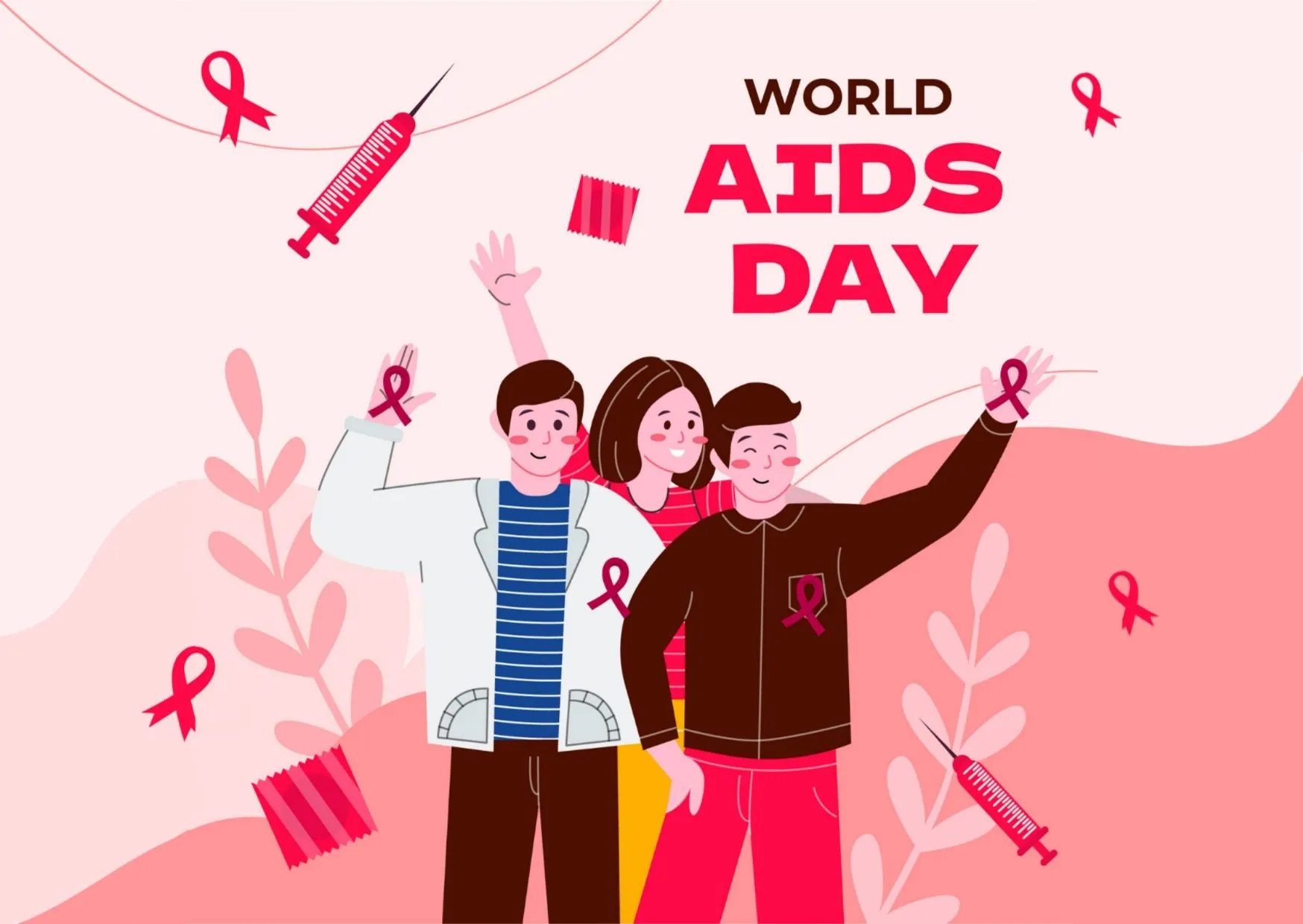
umkt.ac.id, Samarinda – We solemnly observe December 1st as World AIDS Day, dedicating this day to raising awareness about HIV/AIDS issues and bolstering support for those affected. On this occasion, it is critical to acknowledge that this major global health issue still faces intense public stigma. Given that students are in a highly productive phase—both in acquiring knowledge and spreading accurate information to their communities—HIV education remains a vital topic on campus.
To this day, the stigma surrounding people living with HIV (PLHIV) remains the largest obstacle to tackle. Many people hesitate to undergo HIV testing or access related health services, primarily to avoid negative judgment from the community. Moreover, the discrimination suffered by PLHIV significantly impacts them psychologically, often leading to feelings of anxiety, shame, and discouragement. Various forms of stigma often arise subconsciously, such as avoiding PLHIV, harboring negative assumptions about HIV, and spreading misinformation regarding how the virus is transmitted.
This pervasive problem is rooted in a fundamental lack of understanding about HIV transmission. Many still mistakenly believe the virus can be spread through handshaking, sharing food utensils, using the same toilet—or worse yet—simply sharing the same room with PLHIV. Despite these incorrect assumptions, HIV is not transmitted through those mediums. Consequently, early HIV detection efforts are severely hampered by stigma, even though testing is crucial for prevention and management of the disease.
HIV can only be transmitted through high-risk sexual intercourse without barrier protection (condoms), sharing contaminated injection needles, unsafe blood transfusions, and transmission from infected mothers to their babies during pregnancy, birth, or breastfeeding. Nevertheless, persistent misconceptions continue to worsen the discrimination faced by PLHIV.
It is therefore essential for UMKT, as an educational institution, to be committed to fostering an inclusive, humane, and stigma-free environment when addressing reproductive health issues, including HIV/AIDS. Through the university structure, students are provided with a conducive setting to cultivate health literacy habits and a safe space for discussing reproductive health matters.
This commitment is realized by ensuring an understanding of health issues based on data and facts, and by actively encouraging open and scientific discussion of health-related topics.
In HIV-AIDS education, UMKT has demonstrated tangible efforts through community services and on-campus activities. For instance, UMKT provides students with specialized courses designed to explore nursing interventions for HIV/AIDS clients, which includes counseling, care, and treating infected child patients.
UMKT has also organized community service projects to ensure HIV/AIDS education reaches susceptible communities, such as pregnant women, nursing students and lecturers. These efforts also include educating high school students on basic knowledge regarding HIV/AIDS transmission, and engaging the public through social media and academic publications by lecturers and students.
This chain of events demonstrates that UMKT positions itself not merely as an educational institution, but also as an agent of change for public health. UMKT students possess strategic capabilities in this role. Armed with strong literacy skills, students are empowered to fight back against the generalization of HIV by cultivating empathy and spreading correct information about the disease.
Furthermore, students can take simple actions to address HIV/AIDS, such as:
- Refraining from spreading hoaxes and misinformation about HIV.
- Being considerate in everyday language to avoid discriminating against PLHIV.
- Respecting others’ privacy regarding their health conditions.
These small steps have a profound impact in fostering a safe and comfortable campus atmosphere for everyone.
However, HIV mitigation remains a vital step in slowing the spread of the virus. As such, behavioral education on avoiding means of infection must be amplified. Moreover, routine HIV testing is highly recommended for early detection. Self-protection is crucial not only for the well-being of the individual but also as a form of social responsibility in creating a safe and healthy environment for the entire community.
World AIDS Day invites us to understand, be aware, and show empathy. By eradicating stigma and providing an inclusive learning environment, together we can build a safe, healthy, and supportive campus environment.
UMKT, together with its students, stands ready to create a safe space for HIV education, worry-free and stigma-free.
Author: Raisha Azzahro
Translator: M. Rafly Raihandy
Source Image: Freepik