

How UMKT International Students Experience Ramadan in Samarinda: a Story of Togetherness and Coexistence
Author: Raisha Azzahro
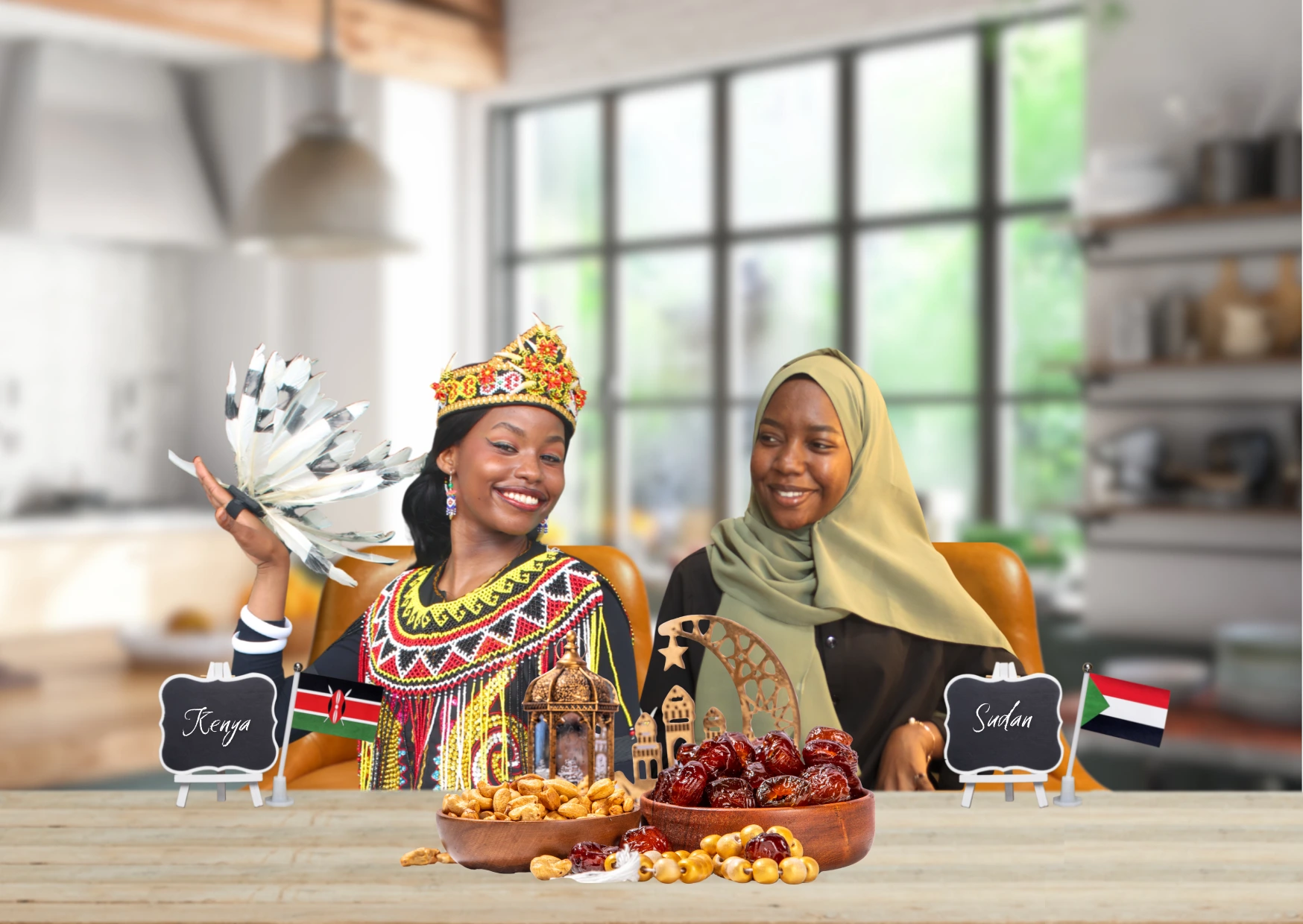
umkt.ac.id, Samarinda - Ramadan is one of the most vibrant seasons in Indonesia, defined by deeply-rooted traditions such as ngabuburit (spending time together while waiting for Iftar), takjil-hunting (searching for snacks to break the fast), and buka bersama —colloquially known as bukber (communal fast-breaking). At Universitas Muhammadiyah Kalimantan Timur (UMKT), these annual festivities offer a profound cultural and spiritual experience that resonates far beyond the local community. International students, both islam and non-islam, find themselves warmly immersed in this unique atmosphere.
Vanessa Jepkemboi Bett, a first-year English Education student from Kenya, shared her perspective as a non-Muslim living in a Muslim-majority environment during the Holy Month.
Vanessa noted that the essence of Ramadan felt familiar, as Kenya also boasts a significant Muslim population. However, she was surprised to find that unlike in her home country, academic life at UMKT continues at full pace. "I was struck by the fact that campuses remain open and academic activities run as usual during the Holy Month," she remarked.
Navigating daily life as a non-fasting student has been a lesson in empathy. "Finding food isn't difficult at all; it’s still plentiful, even if it's less visible during the day," Vanessa said. To show respect for her fasting peers, she chooses to eat her meals in her dormitory and felt a bit "awkward" carrying her water bottle into class — a testament to her cultural sensitivity. Interestingly, the term takjil was entirely new to her, highlighting how Indonesian Ramadan is rich in unique vocabulary that adds to the learning experience for international students.
On the other hand, Essra Mohammed Osman, an Informatics Engineering student from Sudan, offered a different perspective on her first Ramadan in her new home of Samarinda. For Essra, the bustling streets and lively markets make the Indonesian Ramadan feel particularly festive.
"In Sudan, we decorate our streets and neighborhoods with special ornaments that reflect the joy and spirit of the month," Essra said, comparing the festivities. Despite the stylistic differences, she finds that the core spirit of worship and solidarity remains the same. The rhythmic thumping of the beduk (traditional drum) and the early morning calls for suhoor felt familiar to her, making Samarinda feel like a "home away from home."
However, there is one Sudanese tradition Essra misses: the spontaneous open-air iftar. "In Sudan, people — especially the men — spread out mats on the street and invite everyone to break their fast together, including total strangers passing by," she recounted. This tradition of radical hospitality is something she hopes to one day introduce to her peers in Samarinda.
As a Muslim, Essra was also fascinated by the local religious nuances, such as the varying start dates for the fasting month and the different ways mosques conduct Tarawih prayers. "To me, this shows such a beautiful richness in religious tradition within a single country," she observed.
Fasting in the tropics, however, has its challenges. Essra noted that the humidity of Samarinda makes the thirst just as intense as the dry summer heat in Sudan. Yet, these physical challenges are offset by the inclusivity she feels on campus. She views bukber and ngabuburit as essential traditions for building a positive, inclusive campus culture.
The experiences of Vanessa and Essra demonstrate that Ramadan at UMKT is more than just a religious observance; it is a cross-cultural learning hub. For Vanessa, it is a time to understand coexistence and empathy; for Essra, it is a spiritual journey that reveals how a single faith can be expressed through diverse cultural lenses.
Amidst the diversity in UMKT, the Holy Month of Ramadan serves as a bridge — strengthening solidarity, mutual understanding, and a deep sense of belonging for everyone on campus.
Author: Raisha Azzahro
Translator: M. Rafly Raihandy